
Futures Trading for Beginners: A Complete Roadmap
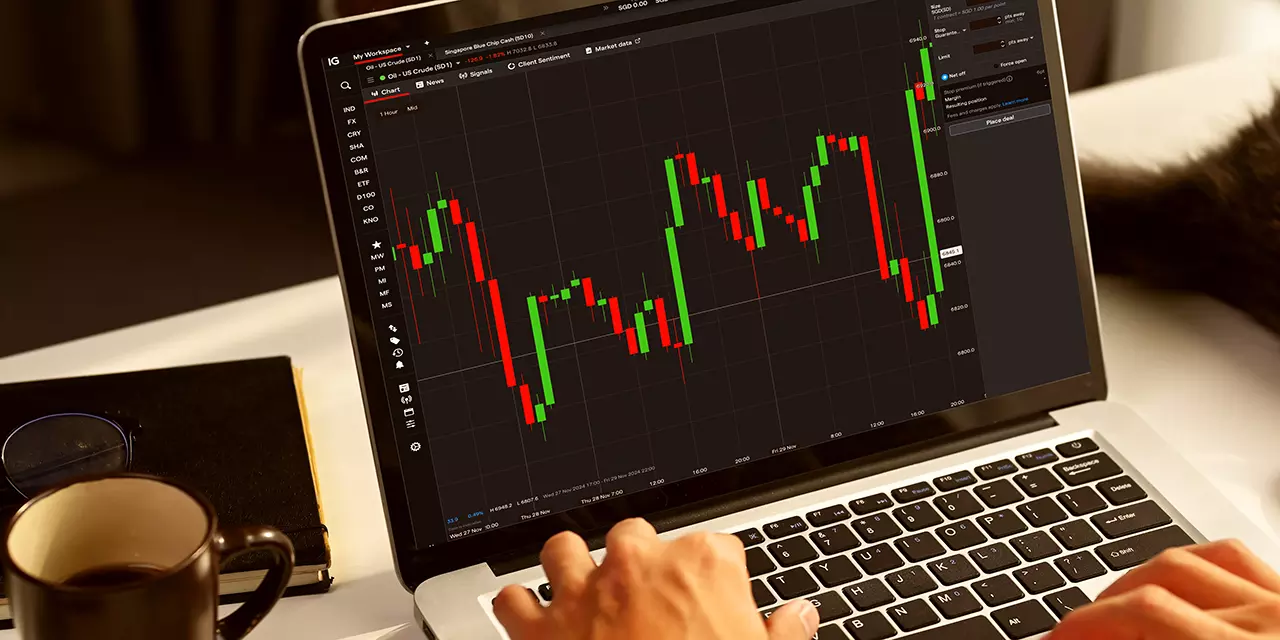
If you've ever dipped your toes in trading, you've likely heard of futures. They're one of those words that sound a little scary when you hear them, but once you're used to them, they offer an awful lot of options. Whether you're interested in trading commodities such as oil and gold, trading financial indexes, or taking a stab at opportunities with prop firms, futures trading can be an incredibly useful tool.
This guide is intended to dismantle all this step by step—no jargon bombast, no too-technically-sounding explanations. Just a guide to navigate beginners (particularly those interested in prop firms) through what futures trading is all about, why it's so hot right now, and how to start on the right foot.
What Exactly Are Futures?
Futures are financial instruments by which you're committing to buy or sell an asset for a fixed price on some future date. Easy enough, right? The important thing is that you're not necessarily going to take delivery of the underlying asset—barrels of oil, bushels of wheat. Most people are here to speculate, hedge, or reduce risk.
For instance
- If you believe crude oil prices will increase, you could purchase an oil futures contract today and resale later at a profit.
- If you believe that gold will fall, you may sell (or short) a gold futures contract and repurchase it at a lower price.
That is, you're taking a wager on the direction of price. The beauty of futures is that you don't require enormous capital to play because of leverage—but that leverage works both ways, so risk management is essential.
Why Do Newbies Tend to Choose Futures?
You may be thinking, "Why futures and not just purchasing stocks or ETFs?" Here is why so many traders (even those at the top prop houses for futures) prefer them:
- Leverage – You are able to manage a big contract with a small amount of margin. For newbies, this results in you not having to post the full value of an asset to trade.
- Liquidity – Widely traded futures contracts such as the S&P 500, Nasdaq, oil, or gold have huge daily volume, which makes trading entries and exits seamless.
- 24-Hour Market – Unlike stocks, futures trade nearly around the clock, giving you flexibility if you’re not trading full-time.
- Diverse Assets – From commodities to currencies to indices, there’s always something moving.
- Prop Firm Opportunities – Many prop firms give traders access to futures accounts, so you can trade without putting up your own capital.
For futures trading for beginners, these benefits are attractive. But don’t forget: with great leverage comes great responsibility.
Step 1: Learn the Foundations
Before you start playing with charts and strategies, it is essential to learn a few of the basic building blocks:
- Contract Size: A futures contract is a specific quantity of the asset. One crude oil contract, for instance, is equal to 1,000 barrels of oil.
- Tick Size: This refers to the smallest price move of a contract. In the E-mini S&P 500, one tick is equal to $12.50.
- Margin: Consider margin as a deposit to maintain your position. You don't pay the entire contract value, but you will need enough money to cover losses.
- Expiration Dates: Futures contracts have an expiration date, and traders tend to "roll" into a new contract prior to that date.
Mastering these basics is similar to learning the ABCs prior to writing complete sentences.
Step 2: Decide What to Trade
Futures vary. New people will tend to use one or two markets rather than diluting themselves too much. Some of the most popular include:
- Stock Index Futures: S&P 500 (ES), Nasdaq (NQ), Dow Jones (YM). These follow the overall performance of the market and are excellent for learning.
- Commodity Futures: Gold, silver, crude oil, natural gas. These are linked to actual-world supply and demand.
- Currency Futures: EUR/USD, GBP/USD, JPY. They reflect forex movements but through futures contracts.
- Agricultural Futures: Wheat, corn, soybeans. While less common for beginners, they still attract speculators.
If you’re going the prop firm route, check what contracts they allow. The best prop firms for futures often focus on stock index and commodity markets because of their high liquidity.
Step 3: Learn How to Read the Market
Alright, this is where the excitement (and frustration, occasionally) kicks in. Learning futures trading for beginners isn't merely a matter of clicking on buy or sell—it's learning what makes prices tick.
- Technical Analysis: Charts, indicators, support and resistance levels. This is where most begin.
- Fundamental Analysis: Economic news, oil inventory levels, crop outlooks, central bank actions. These can make enormous differences in futures.
- Market Sentiment: Sometimes it's not the news per se but the way traders interpret it.
For instance, a positive jobs report in America may propel stock index futures upward. Conversely, a surprise OPEC move may rock oil futures.
Step 4: Choose a Trading Platform
This is important. Your platform is your control room, and they are not all the same. The best futures trading platforms (particularly those affiliated with prop firms) offer you:
- Fast execution speeds (no lag when you press buy/sell).
- Sophisticated charting tools for analysis.
- Integrated risk management tools such as stop-loss orders.
- Paper trading or demo accounts so that you can hone your skills before trading with real capital.
For newbies, paper trading is the best. It's like training wheels—you learn without risking blowing up your account.
Step 5: Master Risk Management
Here's the unglamorous but absolutely essential part: risk management. This is what distinguishes hobby traders from professional traders.
Some golden rules:
- Never risk more than 1–2% of your account on one trade.
- Always use stop losses to cover your downside.
- Learn about position sizing (don't lever yourself up just because you can).
- Learn to accept losses as part of the game—it's all about loss management.
Prop firms are particularly severe on this. If you violate their drawdown rules, your account is history, regardless of how good your trading idea was.