
Choosing the Ideal Torque Sensor for Precision Applications
Ensuring accurate torque control is critical in a wide range of industries. Improperly torqued fasteners can result in catastrophic failures, even if the fastener itself costs only a few cents. Mountz, a leader in torque solutions since 1965, recently hosted a comprehensive webinar on selecting the right torque sensor for various applications. With decades of experience in the torque tool industry, Mountz provides the knowledge and products to ensure precision and reliability in torque measurement and control.
Understanding Torque Sensors and Their Importance
Torque sensors, sometimes referred to as torque transducers, are essential tools for accurate torque measurement. These devices convert analog signals into precise digital data, enabling effective monitoring, calibration, and troubleshooting. Whether you're working with static or dynamic sensors, the right torque sensor ensures that tools perform as expected and meet required specifications.
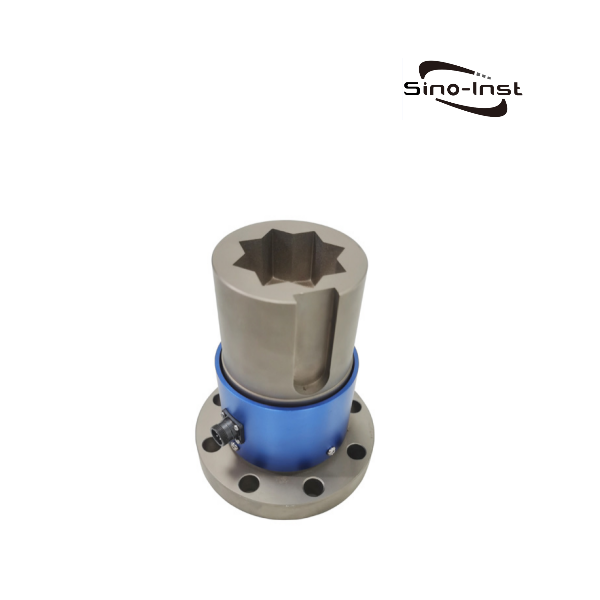
Choosing the correct torque sensor depends on the specific application. For example, a rotational torque sensor is ideal for dynamic measurements, where continuous torque values are needed during operation. On the other hand, static sensors are better suited for calibration and verification tasks.
Applications of Torque Sensors
Torque sensors are used across different stages of assembly and testing processes. These include:
| Stage | Purpose |
|---|---|
| Before Assembly | Calibrate tools and validate their performance. |
| During Assembly | Monitor tool performance in real-time using measuring devices. |
| After Assembly | Audit and verify torque values through testing. |
Traceability is a key benefit of torque sensors. Once tools are calibrated using traceable analyzers, the traceability extends to the tools themselves, ensuring compliance with industry standards.
Different Types of Torque Sensors
Torque sensors come in various types, each suited for specific purposes:
**1. Reaction Torque Sensors**: These sensors are used mainly for calibrating torque tools, including hand tools, torque screwdrivers, and wrenches. They provide static measurements and are particularly useful for achieving precise tool calibration.
**2. Rotary Torque Sensors**: Rotary sensors are ideal for dynamic measurements, allowing users to capture continuous torque values during operation. They are also valuable for research and development, enabling engineers to determine torque specifications and analyze joint characteristics.
**3. Torque Screwdriver Sensors**: These compact sensors are integrated into screwdrivers and are used for applications requiring high precision, such as joint auditing and fastener testing.
How Torque Sensors Work
Torque sensors operate by measuring resistance changes in a strain gauge. The strain gauge, typically laminated onto a substrate, deforms under torsional forces. This deformation alters the resistance within the gauge, which is then converted into a voltage signal. Using a Wheatstone bridge circuit, this voltage change is amplified and transformed into a torque value.
For rotary sensors, additional components such as slip rings or brushless mechanisms facilitate the measurement of torque in rotating systems. Brushless rotary sensors, in particular, offer maintenance-free operation, making them ideal for continuous monitoring.
Selecting the Right Sensor for Your Application
The choice of a torque sensor depends on several factors, including the application type, required measurement range, and desired accuracy. For example:
| Sensor Type | Applications |
|---|---|
| Reaction Torque Sensors | Tool calibration, verification, and validation. |
| Rotary Torque Sensors | Dynamic monitoring, joint analysis, and R&D testing. |
| Torque Screwdriver Sensors | Auditing and precision applications. |